

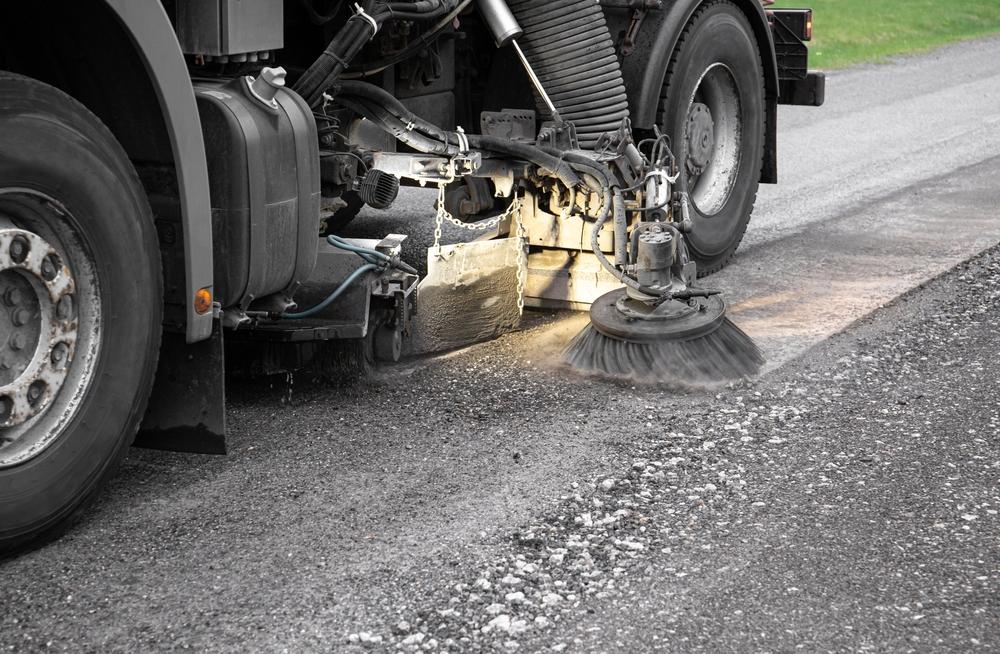
Orange County’s streets collect far more than leaves and litter. Every day, dust, trash, landscape debris, oil residue, and sediment build up in parking lots, private roads, and commercial properties before eventually washing into local storm drains during rain events or routine irrigation. For commercial property owners and managers, regular street sweeping is about much more than appearance.
Quick Answer
Commercial street sweeping helps protect Orange County storm drains by removing debris, sediment, trash, and pollutants before they enter the stormwater system. Consistent sweeping supports cleaner waterways, reduces the risk of clogged drainage infrastructure, helps properties meet stormwater best management practices (BMPs), and can minimize the risk of regulatory violations related to stormwater pollution.
What Local Readers Should Know
- Regular commercial street sweeping removes pollutants before they can reach Orange County’s storm drain system.
- Parking lots and private streets near the Santa Ana River, Newport Bay, and local flood control channels are especially vulnerable to stormwater runoff.
- Property managers throughout Irvine, Anaheim, Huntington Beach, Costa Mesa, and Santa Ana often include scheduled sweeping as part of their overall property maintenance program.
- Stormwater entering Orange County drains flows directly to local creeks, rivers, wetlands, and the Pacific Ocean without treatment.
- Preventative maintenance is generally far less disruptive and less expensive than dealing with clogged drainage systems or cleanup after pollution events.
Why This Matters Locally
Commercial street sweeping plays a significant role in protecting Orange County’s stormwater infrastructure because the region’s storm drains discharge directly into local waterways. Unlike sanitary sewer systems, storm drains are designed to move rainwater quickly away from developed areas. Anything left on pavement, including sediment, trash, fertilizer residue, leaves, and automotive fluids, can be carried into nearby channels during rainfall or irrigation runoff.
Orange County experiences long dry periods that allow dirt and debris to accumulate. When winter storms arrive, runoff can carry months of accumulated pollutants into the Santa Ana River, Upper Newport Bay, Bolsa Chica wetlands, and ultimately the Pacific Ocean.
Built Rite Property Services understands that commercial sweeping is part of protecting both property value and environmental compliance. After this introduction, we’ll simply refer to ourselves as we, because our goal is to help property owners understand why consistent maintenance matters beyond keeping pavement looking clean.
Local Data and Field Observations
Professional field observations consistently show that commercial properties accumulate significant amounts of fine sediment and debris between scheduled maintenance visits. Parking lots with heavy vehicle traffic often collect sand, tire particles, landscaping debris, litter, and leaves that gradually migrate toward catch basins.
According to the Orange County Public Works stormwater program and the California State Water Resources Control Board, pollutants entering storm drains can impact local waterways because stormwater generally receives no treatment before reaching rivers, wetlands, bays, and the ocean.
For commercial properties, routine sweeping serves as one of several stormwater best management practices used to reduce pollutant discharge.
How Street Sweeping Helps Prevent Storm Drain Pollution
Commercial street sweeping protects storm drains by removing pollutants before rainfall or irrigation can carry them into drainage systems. This simple preventative step reduces the amount of material entering catch basins and downstream waterways.
Effective sweeping helps remove:
- Dirt and sediment
- Leaves and landscape debris
- Food waste
- Plastic litter
- Cigarette butts
- Small metal fragments
- Tire particles
- Broken glass
- Construction dust
- Debris around storm drain inlets
The cleaner the pavement remains, the fewer pollutants become stormwater runoff.
How Commercial Properties Are Affected
Commercial properties often generate more pavement debris than residential areas because of higher traffic volumes and larger parking surfaces. Shopping centers, office complexes, industrial facilities, HOA communities, medical campuses, and retail centers all produce continuous debris from customers, deliveries, landscaping, and daily operations.
Across Orange County, irrigation overspray can also transport accumulated sediment into nearby catch basins even without rainfall. Properties located near major corridors like Interstate 5, State Route 55, and Pacific Coast Highway often experience additional dust and roadway debris from surrounding traffic.
Warning Signs Your Property Needs More Frequent Street Sweeping
Several visible signs indicate that sweeping schedules may no longer match the property’s needs.
Watch for:
- Dirt collecting along curbs
- Leaves building up around storm drain grates
- Standing water after minor rainfall
- Visible trash between parking stalls
- Gravel accumulating near entrances
- Landscape debris after weekly maintenance
- Sediment washing into gutters during irrigation
- Customer complaints about property cleanliness
These conditions can increase maintenance costs while allowing more pollutants to reach the storm drainage system.
When to Call a Professional
Professional sweeping becomes important when debris accumulation exceeds what routine property maintenance can reasonably handle. While maintenance staff can remove isolated litter, specialized street sweeping equipment is designed to collect fine sediment, dust, and debris across large paved surfaces.
Commercial properties should consider professional service after:
- Large landscape maintenance projects
- Wind events
- Seasonal leaf drop
- Construction nearby
- Community events
- Heavy parking lot use
- Increased tenant occupancy
Common Local Causes of Storm Drain Pollution
Several Orange County conditions contribute to faster debris accumulation on commercial properties.
1. Extended Dry Weather
Long periods without rainfall allow dirt and pollutants to build up over time.
2. Heavy Vehicle Traffic
Retail centers, business parks, and industrial facilities generate constant tire wear, dust, and litter.
3. Landscaping Debris
Palm fronds, grass clippings, leaves, mulch, and soil frequently migrate toward gutters during irrigation.
4. Construction Activity
Development projects throughout Orange County often produce additional dust and sediment that settles on nearby pavement.
5. Coastal Winds
Communities near Huntington Beach, Newport Beach, and Costa Mesa regularly experience windblown debris that collects along curbs and parking lots.
Prevention and Maintenance
Routine sweeping is one of the most practical ways to reduce stormwater pollution before it becomes a larger problem.
Property managers can also:
- Keep catch basins free of visible debris.
- Schedule sweeping based on seasonal conditions instead of waiting until lots appear dirty.
- Coordinate landscaping crews to prevent grass clippings from entering gutters.
- Inspect parking lots after storms or high wind events.
- Monitor construction activity near the property.
- Include stormwater inspections in routine maintenance schedules.
Preventative maintenance typically costs less than emergency cleanup or drainage repairs.
Expected Results
Consistent street sweeping helps commercial properties stay cleaner while supporting better stormwater management. Property owners often notice cleaner pavement, fewer clogged drain inlets, improved curb appeal, reduced debris complaints, and easier maintenance throughout the year.
Although sweeping cannot eliminate every stormwater concern, it serves as an important component of a comprehensive property maintenance program.
Common Mistakes
Several common maintenance mistakes reduce the effectiveness of street sweeping programs.
| Mistake | Consequence | Better Approach |
|---|---|---|
| Waiting until lots appear dirty | More debris reaches storm drains | Follow a consistent sweeping schedule |
| Ignoring curb lines | Sediment accumulates near catch basins | Focus on curb edges and gutters |
| Skipping seasonal adjustments | Debris increases during certain months | Increase service when needed |
| Treating sweeping as cosmetic only | Environmental issues may develop | View sweeping as preventative maintenance |
| Delaying debris removal after landscaping | Grass and soil wash into drains | Sweep shortly after landscape work |
Common Local Scenario
A common situation involves a busy shopping center where leaves, litter, and sediment gradually collect around parking lot drain inlets during several dry months. The property may appear acceptable from a distance, yet the first significant rainfall washes accumulated pollutants directly into the storm drainage system. Regular sweeping helps reduce that buildup before runoff occurs.
Related Service Solutions
Street sweeping works best alongside other property maintenance services that support clean, safe commercial environments.
Related services may include:
- Parking lot maintenance
- Pressure washing
- Parking garage sweeping
- Construction site cleanup
- HOA common area maintenance
- Commercial property maintenance
- Storm drain area cleaning
Comparing Your Options
Scheduled professional sweeping generally provides better long-term results than occasional cleanup efforts.
| Option | Advantages | Considerations |
|---|---|---|
| DIY litter pickup | Good for daily appearance | Does not remove fine sediment |
| Occasional sweeping | Lower short-term cost | Debris continues accumulating |
| Routine professional sweeping | Consistent cleanliness and better stormwater management | Requires scheduled maintenance |
Service Areas
We provide commercial street sweeping services throughout Orange County, including Irvine, Anaheim, Santa Ana, Costa Mesa, Huntington Beach, Fullerton, Orange, Garden Grove, Tustin, and surrounding communities. Regular service schedules can be customized to meet the needs of office parks, retail centers, industrial properties, HOAs, and commercial developments.
The Cost of Ignoring the Issue
Delaying routine street sweeping allows pollutants to continue accumulating until they become larger maintenance or compliance concerns. Clogged storm drains, increased cleanup costs, drainage issues, and potential stormwater violations can become more expensive than maintaining a regular sweeping schedule.
Frequently Asked Questions
Does commercial street sweeping help protect Orange County storm drains?
Yes. Commercial street sweeping removes sediment, litter, leaves, and other pollutants before they wash into Orange County’s storm drain system, helping support cleaner waterways and better stormwater management practices.
Can regular street sweeping reduce compliance risks?
Yes. While sweeping alone does not guarantee regulatory compliance, it is commonly included among stormwater best management practices that help commercial properties reduce pollutant discharge and support environmental responsibilities.
How often should commercial properties in Orange County schedule street sweeping?
The right schedule depends on the property’s activity level. High traffic shopping centers and industrial properties may benefit from weekly service, while office complexes or HOA communities may require different frequencies based on seasonal conditions and debris accumulation.
Why are parking lots near the coast affected differently?
Coastal areas often experience additional windblown debris. Communities near Huntington Beach, Newport Beach, and other coastal locations frequently collect more sand, leaves, and litter that eventually migrate toward storm drains.
Does irrigation contribute to storm drain pollution?
Yes. Overspray and runoff from irrigation systems can carry dirt, fertilizer residue, grass clippings, and other debris into catch basins even when it is not raining.
Is street sweeping only about appearance?
No. While cleaner pavement improves curb appeal, routine sweeping also supports drainage performance, removes pollutants before runoff occurs, and helps protect local waterways throughout Orange County.
Protect Your Orange County Property Before Small Problems Become Expensive Ones
Regular commercial street sweeping does more than create a cleaner first impression. It helps protect drainage infrastructure, supports responsible stormwater management, and keeps commercial properties looking professional throughout the year.
Ready to keep your commercial property cleaner and better protected?