

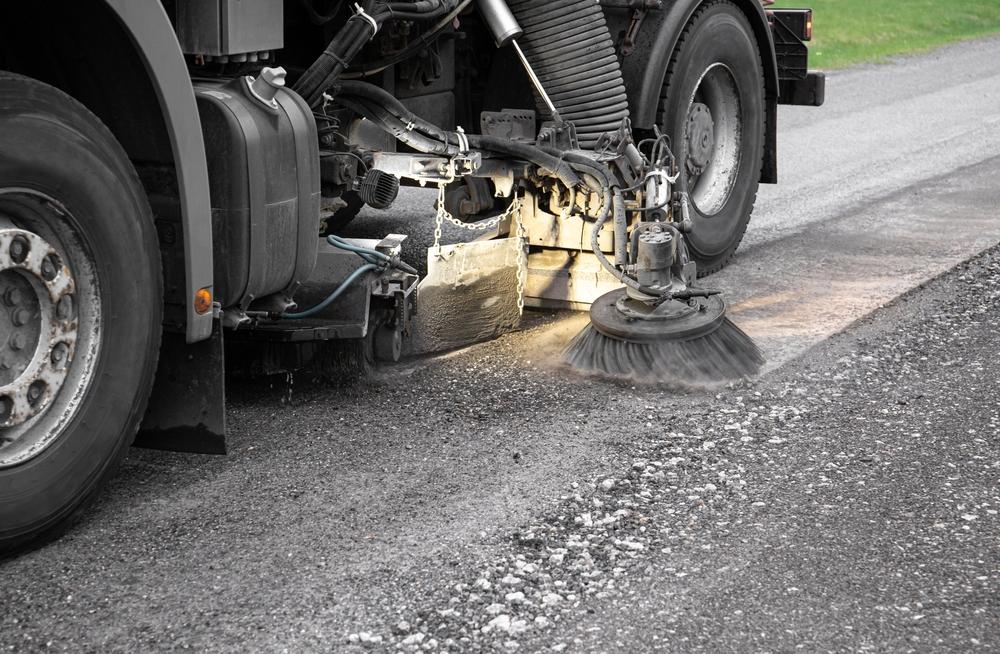
Leaves, grit, litter, landscape material, and vehicle-related debris can quickly collect along curbs and across commercial parking lots in Orange. What looks like a simple appearance problem can also interfere with drainage, contribute pollutants to runoff, and make routine pavement maintenance harder.
Regular street and parking lot sweeping removes that material before it accumulates. For commercial property owners and managers in Orange County, scheduled sweeping is a practical part of protecting paved surfaces, maintaining drainage paths, and keeping customer-facing areas presentable.
Quick answer: Regular street sweeping protects asphalt and parking lots by removing abrasive sediment, organic material, litter, and other debris before it builds up on the pavement or reaches drainage areas. In Orange, routine sweeping is especially useful for busy commercial properties where traffic, landscaping, dry-weather debris, and seasonal rain can combine to create recurring maintenance problems.
What Orange County property owners should know
-
Debris can hide cracks, worn pavement, staining, and drainage problems that property managers need to see early.
-
Orange County Public Works identifies street sweeping as a water-quality best management practice because it removes trash, sediment, fertilizers, and other material before they can reach waterways.
-
Parking lots near landscaped areas can repeatedly collect leaves, mulch, soil, and plant material, particularly along curbs and parking stops.
-
The City of Orange’s published maintenance procedures recommend regular sweeping or vacuuming of parking facilities and adjusting frequency based on use and observed waste accumulation.
-
Sweeping is preventive maintenance, but it does not replace crack repair, seal coating, drainage repairs, or other asphalt services when pavement is already deteriorating.
Why Does Regular Street Sweeping Matter in Orange?
Regular street sweeping matters in Orange because it removes material from paved surfaces before traffic, runoff, and continued accumulation can spread it across parking areas or into drainage infrastructure. For commercial properties, that supports cleaner pavement, easier inspections, better drainage housekeeping, and a more orderly appearance.
Orange combines heavily developed commercial corridors with landscaped properties and large areas of paved surface. From businesses around The Outlets at Orange and Chapman Avenue to properties along Tustin Street, Main Street, and Katella Avenue, parking areas can receive a steady mix of vehicle traffic, windblown material, landscape debris, and litter.
The City of Orange Public Works Department itself manages street maintenance, storm drains, and street sweeping as infrastructure services. Its published guidance for parking areas recommends regular sweeping or vacuuming and notes that frequency can be increased based on traffic volume, land use, sediment and trash accumulation, and proximity to waterways.
Built Rite Property Services helps local commercial properties address this recurring maintenance need. After assessing the conditions on a property, we can help establish sweeping service that reflects how the parking lot is actually used rather than treating every site the same way.
What Does Local Data Say About Street Sweeping?
Orange County’s public guidance shows that sweeping removes substantial amounts of material before it can enter the regional drainage system and ultimately reach the ocean. Orange County Public Works reports that its local street sweeping program has diverted more than 8 million pounds of street waste and debris since the program began in July 2000.
In a limited county study, approximately 100 pounds of street waste was collected per mile swept. The county reported that the collected material included green waste along with human-generated waste such as paper and vehicle-related oils, fuels, copper, and zinc.
That county data addresses public street sweeping rather than the performance of any individual private parking lot. Still, it illustrates why routine removal matters. Material sitting on pavement does not simply disappear. Without collection and proper disposal, it can remain on the surface, move around the property, or be transported by runoff.
How Can Debris Affect an Orange County Parking Lot?
Debris can affect an Orange County parking lot by trapping material around curbs and drains, obscuring pavement defects, creating an untidy appearance, and adding pollutants or sediment to runoff. These problems become more noticeable on high-traffic commercial sites where fresh material arrives every day.
Fine dirt and grit are repeatedly moved by tires and foot traffic. Leaves and landscape waste can gather against wheel stops and curb lines. Trash can lodge around drain openings. Vehicle leaks can leave spots that require proper cleanup rather than simply being washed toward the street.
Keeping pavement clear also makes inspection easier. A clean parking lot gives property managers a better opportunity to identify cracking, potholes, damaged striping, deteriorated edges, or drainage concerns before those conditions become less manageable.
What Are the Warning Signs That a Parking Lot Needs More Frequent Sweeping?
A parking lot may need more frequent sweeping when debris returns well before the next scheduled service or begins concentrating in curbs, corners, landscaped edges, and drainage areas. The appropriate schedule depends on traffic, surrounding landscaping, tenant activity, and the amount of waste the site routinely generates.
Watch for:
-
Dirt or grit forming visible bands along curb lines
-
Leaves and landscape material accumulating around parking stops
-
Litter repeatedly collecting near storefronts or dumpster areas
-
Sediment gathering near catch basins or drainage paths
-
Oil-stained areas surrounded by dirt or absorbent material
-
Debris returning only a few days after cleaning
-
Parking stalls looking noticeably dirty despite routine property maintenance
-
Pavement cracks or markings becoming difficult to inspect because of surface buildup
A recurring pattern is more useful than a single dirty day. If the same areas consistently collect material, the property’s sweeping plan may need to address those zones more frequently.
When Should You Call a Professional Sweeping Service?
Professional sweeping makes sense when the size, traffic level, debris volume, or operating schedule of an Orange commercial property makes manual cleanup inefficient or inconsistent. Mechanical sweeping can cover large paved areas while addressing parking stalls, drive lanes, perimeter areas, and other recurring debris zones.
Property staff can still handle isolated litter between services. A few pieces of trash near an entrance do not necessarily require a full sweeping visit.
Professional service becomes more useful when debris is widespread, the parking lot must be maintained on a repeating schedule, or cleaning needs to occur during lower-traffic periods. Professional attention is also appropriate when material near storm drains or vehicle-fluid contamination requires more careful handling.
What Commonly Causes Debris Buildup on Local Parking Lots?
The most common causes of parking lot debris in Orange are vehicle traffic, landscaping, litter, windblown material, and sediment carried onto pavement from surrounding areas. The mix varies considerably between a neighborhood retail center, an office property, an industrial facility, and a busy restaurant site.
1. Landscaping and green waste: Trees, shrubs, planters, and maintained landscape areas can contribute leaves, twigs, mulch, and soil.
2. Vehicle traffic: Cars and delivery vehicles can track dirt onto pavement and redistribute existing grit throughout drive aisles.
3. Customer and tenant activity: Food packaging, receipts, cups, and other lightweight litter can accumulate around busy commercial areas.
4. Wind: Dry Southern California conditions can allow lightweight debris and dust to migrate into corners, curb lines, and recessed areas.
5. Vehicle fluids and residue: Leaking vehicles may deposit fluids that require appropriate absorbent cleanup and disposal.
These sources help explain why a property near Old Towne Orange may have different maintenance needs than a larger commercial or industrial site closer to Anaheim, Santa Ana, or the broader central Orange County business corridors.
How Can Property Managers Prevent Heavy Debris Accumulation?
Property managers can prevent heavy debris accumulation by combining scheduled sweeping with frequent visual checks, good landscape maintenance, litter control, and attention to drainage areas. The best schedule is based on actual site conditions rather than waiting until the entire parking lot looks dirty.
Inspect high-use zones between services, especially dumpster enclosures, loading areas, storefront approaches, curb lines, and landscape edges. Keep litter receptacles managed so overflowing waste does not spread across pavement.
Before Southern California’s wetter periods, pay particular attention to debris around drainage routes and catch basins. City of Orange maintenance guidance calls for parking lots to be swept before the onset of the wet season and recommends dry cleaning methods where practical.
DIY cleanup should stop where there are substantial fluid spills, hazardous materials, drainage problems, or pavement failures that require specialized handling or repair.
What Results Can You Expect From Routine Sweeping?
Routine sweeping should produce consistently cleaner paved surfaces, reduced loose debris, clearer curb and drainage areas, and better visibility of the pavement’s actual condition. It can also make a commercial property easier to maintain because debris is removed regularly instead of being allowed to build into a larger cleanup project.
Sweeping should not be expected to reverse asphalt deterioration. Existing potholes, severe cracking, failed pavement, or drainage defects still need the appropriate repair.
The value of sweeping is preventive. It keeps loose material under control and helps property managers see when separate pavement maintenance is becoming necessary.
What Street Sweeping Mistakes Should Orange Property Owners Avoid?
The biggest street sweeping mistakes are waiting for visible buildup, using water to move debris, overlooking low-traffic corners, and assuming sweeping can correct damaged asphalt. A better approach treats sweeping as one component of an overall commercial pavement maintenance program.
Mistake: Waiting until customers notice the mess.
Consequence: Debris has more time to spread and collect in difficult areas.
Better approach: Use a recurring schedule based on property activity.
Mistake: Hosing dirt toward gutters or drains.
Consequence: Debris and pollutants may enter the storm drain system.
Better approach: Use dry collection methods and dispose of collected material appropriately.
Mistake: Cleaning only the main drive aisles.
Consequence: Material remains around curbs, islands, parking stops, and perimeter areas.
Better approach: Include recurring accumulation points in the maintenance plan.
Mistake: Treating sweeping as asphalt repair.
Consequence: Cracks, potholes, and failed pavement continue deteriorating.
Better approach: Keep the surface clean enough to inspect and arrange pavement repairs when needed.
What Is a Common Commercial Parking Lot Scenario in Orange?
A common Orange parking lot scenario involves a landscaped commercial property where leaves, fine sediment, and customer litter gradually collect around curbs and parking stops between cleanings. The lot may appear acceptable from the street while perimeter areas and drainage paths are already holding substantial debris.
As vehicles move through the property, some material gets redistributed across drive lanes while more collects in sheltered areas.
A scheduled sweeping program addresses the buildup before it becomes the property’s normal condition. Between services, management can monitor high-debris areas and adjust service frequency if traffic, landscaping, or seasonal conditions change.
Which Services Help Protect Commercial Pavement?
Commercial pavement is best protected through coordinated services that keep the surface clean while addressing actual asphalt defects separately. Street and parking lot sweeping removes loose debris, while pavement maintenance services address cracks, potholes, surface deterioration, and other physical problems when they develop.
At Built Rite Property Services, we can help commercial property managers evaluate recurring sweeping needs and keep paved areas on a consistent maintenance schedule.
Is DIY Cleanup or Professional Sweeping Better?
DIY cleanup works for small, isolated debris, while professional sweeping is generally better suited to recurring maintenance across larger commercial parking lots and paved areas. The right choice depends on property size, debris volume, traffic, available staff, and how frequently the surface needs attention.
Manual pickup can be useful between scheduled visits around entrances or small problem spots. Professional sweeping becomes more practical when an entire parking field, drive aisle system, or commercial property needs consistent coverage.
Many properties benefit from both: scheduled professional sweeping for the overall site and basic staff monitoring between services.
Where Is Commercial Sweeping Useful Around Orange County?
Commercial sweeping is useful throughout Orange and surrounding central Orange County communities where parking lots and paved commercial areas receive steady traffic and recurring debris. Properties in and around Orange may share maintenance patterns with nearby Anaheim, Santa Ana, Tustin, Villa Park, and other Orange County communities.
Service availability for a specific property should be confirmed directly with our team.
What Is the Cost of Ignoring Parking Lot Debris?
Ignoring parking lot debris can increase cleanup demands, obstruct routine pavement inspections, contribute material to drainage areas, and leave commercial properties looking poorly maintained. Waiting can be particularly inconvenient when accumulated debris must be addressed immediately before rain, property inspections, tenant visits, or busy customer periods.
Debris itself is not responsible for every asphalt problem. Pavement deterioration can have multiple causes, including age, traffic loads, water intrusion, and underlying structural conditions. Regular sweeping simply removes one preventable maintenance burden while making other problems easier to identify.
FAQ
How often should commercial parking lots be swept in Orange?
Commercial parking lots in Orange should be swept according to their traffic, landscaping, tenant activity, and observed debris accumulation rather than one universal schedule. A busy retail property may require more frequent attention than a lower-traffic office lot. The City of Orange’s maintenance guidance similarly recommends basing sweeping frequency on usage and field observations.
Does street sweeping help protect asphalt?
Yes, sweeping supports asphalt maintenance by removing loose dirt, grit, organic material, and litter while making pavement defects easier to see. It does not repair damaged asphalt, however. Orange County property managers should treat sweeping as preventive housekeeping alongside appropriate crack repair, surface maintenance, and drainage management.
Why is sweeping important before rain in Orange County?
Sweeping before rain in Orange County removes loose material that could otherwise be transported by stormwater toward gutters and drains. City of Orange maintenance guidance specifically calls for parking lots to be swept before the wet season. Removing accumulated litter and sediment beforehand supports cleaner drainage areas and easier stormwater management.
Can I hose debris off my Orange parking lot?
Hosing debris toward a storm drain is not an appropriate substitute for sweeping in Orange. City guidance emphasizes dry cleaning methods and states that wash water from impervious-surface cleaning must be properly contained and managed. Sweeping or vacuuming collects the material so it can be disposed of instead of simply relocating it.
What types of debris can commercial sweeping remove?
Commercial sweeping can collect common loose material such as dirt, leaves, small landscape debris, litter, and sediment from paved surfaces. The exact capability depends on the material and equipment being used. Significant fluid spills, hazardous substances, construction waste, or unusually large debris may require a different cleanup method.
Does Orange County consider street sweeping an environmental practice?
Yes, Orange County Public Works identifies street sweeping as a best management practice for improving water-quality control. The county explains that sweeping removes trash, debris, sediment, fertilizers, and floatable material before those materials can reach waterways and the ocean, giving routine pavement cleaning a role beyond property appearance.
Should parking lots near landscaping be swept more often?
Parking lots with substantial landscaping may need more frequent sweeping when leaves, mulch, soil, or plant material repeatedly reach the pavement. In Orange and nearby communities such as Tustin and Villa Park, property managers can determine the right interval by monitoring how quickly curb lines, parking stops, and drainage routes collect material.
Can sweeping fix cracks or potholes in an Orange parking lot?
No, sweeping cannot fix cracks, potholes, or structurally deteriorated asphalt in an Orange parking lot. It can remove material covering those defects and make inspection easier. Once pavement damage is visible, the appropriate asphalt maintenance or repair method should be evaluated rather than relying on additional sweeping.
Keep Your Orange Property Cleaner and Easier to Maintain
Regular sweeping gives Orange County commercial property owners a straightforward way to control recurring debris, improve pavement visibility, and keep parking and driving areas better maintained. A schedule based on real property conditions can prevent routine debris from becoming a larger maintenance burden.
Protect Your Orange County Parking Lot With Consistent Sweeping
We help local property managers keep commercial paved areas cleaner with service planned around the needs of the site.